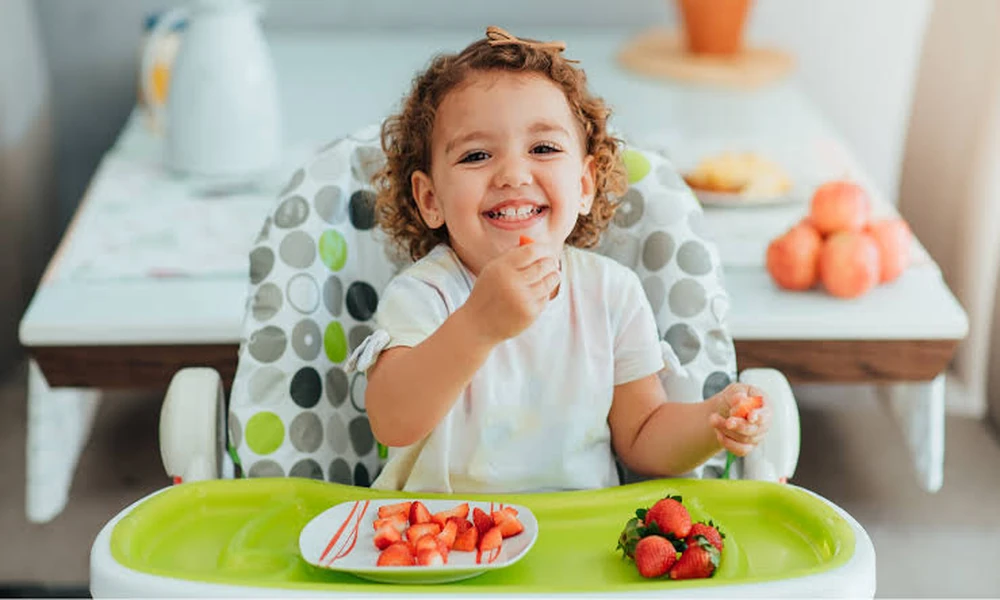
Early childhood brings many opportunities for little ones to discover their abilities. Simple daily activities can encourage better movement and improve the connection between what children see and how their hands respond. Offering suitable finger-sized options allows babies to explore objects while developing useful physical skills. Best baby snacks Australia can help parents explore suitable choices that encourage independent handling. With patient guidance and regular practice, everyday feeding moments can become valuable opportunities for learning and growth.
Developing Control Through Small Movements
Babies gradually learn to control their hands through repeated actions. Picking up small pieces encourages finger movement while building confidence through simple daily activities.
Encouraging Natural Finger Movement Skills
Reaching for suitable pieces helps babies practise using their fingers. These repeated actions support better control while allowing little ones to explore independently.
Building Awareness Through Visual Attention
Watching an object before reaching towards it helps babies understand distance. This activity encourages visual attention while improving their ability to guide hand movements.
Practising Gentle Gripping and Releasing
Holding an item requires babies to adjust finger pressure. Releasing it also teaches them to manage movements with greater awareness and control.
Recognising Progress Through Everyday Activities
Development happens gradually rather than following an identical pattern for every child. Parents can observe small changes during regular routines.
· Notice improved reaching movements.
· Observe attempts to hold objects.
· Watch how fingers manage different shapes.
· Recognise growing interest in self-feeding.
· Celebrate efforts without expecting perfection.
Helping Babies Develop Greater Confidence
Positive encouragement can make learning enjoyable. Giving babies opportunities to try simple actions helps them become more willing to participate.
· Provide manageable portions during activities.
· Introduce new textures carefully.
· Offer assistance when necessary.
· Avoid forcing unwanted participation.
· Maintain consistent daily routines.
Improving Focus During Daily Feeding
Independent handling encourages babies to pay attention to their immediate surroundings. Short activities provide useful opportunities to practise concentration without unnecessary pressure.
Supporting Early Learning Through Exploration
Exploring different shapes and textures introduces new physical challenges. Babies gradually understand how their fingers respond when handling various suitable items.
Creating Positive Daily Learning Habits
Regular opportunities to practise encourage gradual improvement. Parents can support progress by allowing enough time for babies to explore at their own pace.
Choosing Suitable Options for Young Learners
Selecting appropriate items helps create a safer setting for independent practice. Parents should consider age readiness and individual developmental abilities before offering anything new.
During everyday routines, Best baby snacks Australia may help parents discover suitable options for supervised independent handling. However, selection should always consider texture and size rather than appearance alone. Babies need items that match their current abilities. Close adult supervision remains essential because choking risks can occur even with carefully selected options.
Developing Better Hand and Eye Control
Repeated reaching activities help babies connect visual attention with physical movement. Simple adjustments can make everyday practice more useful.
· Place suitable items within a safe distance.
· Encourage reaching with both hands.
· Introduce different shapes gradually.
· Allow time for repeated attempts.
· Notice improvements in finger control.
Creating Safe Spaces for Exploration
A clean and suitable setting allows babies to explore with fewer distractions. Parents should remain attentive throughout every independent activity.
· Use a stable seating arrangement.
· Keep small loose objects away.
· Check textures before offering items.
· Maintain direct adult supervision.
· Stop activities when babies become tired.
Independent activities provide valuable opportunities for babies to practise essential movements. Parents can make these moments more useful by choosing suitable items and maintaining close supervision. Consistent encouragement helps little ones develop confidence while improving their ability to coordinate visual attention with hand movements. Allowing gradual progress without unnecessary pressure creates a supportive setting for continued learning. With thoughtful choices and patient guidance, ordinary feeding routines can contribute meaningfully to early physical development.